Digital worker assistance for assembling and filling point-of-sale displays
- CBW Caritas Betriebs- und Werkstätten GmbH
- In use since 2024
From cardboard box to finished display, easy to understand step by step
At CBW in Eschweiler, workers assemble and fill point-of-sale displays for retailers. The process involves many steps with different materials, from setting up the box and inserting the dividers to filling it with products.
This exact process is stored in Alino as a task. The pictures below are the work process as the workers see it at their workstation: the next step as a photo, which they can repeat at any time, without waiting for a verbal explanation.
This is what the Alino task looks like in practice
-
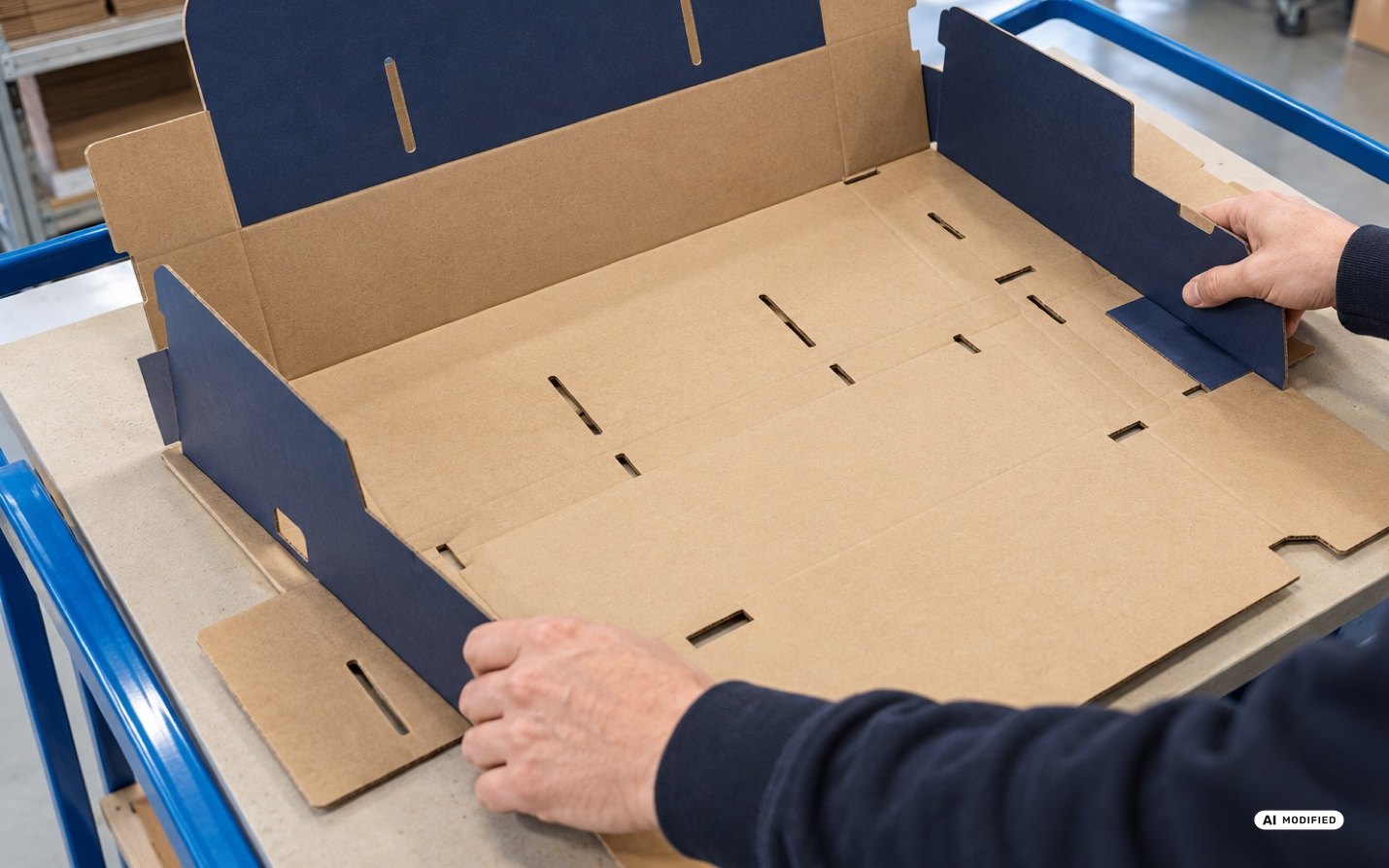
Prepare the box
Unfold the slot-together system and line it up.
-
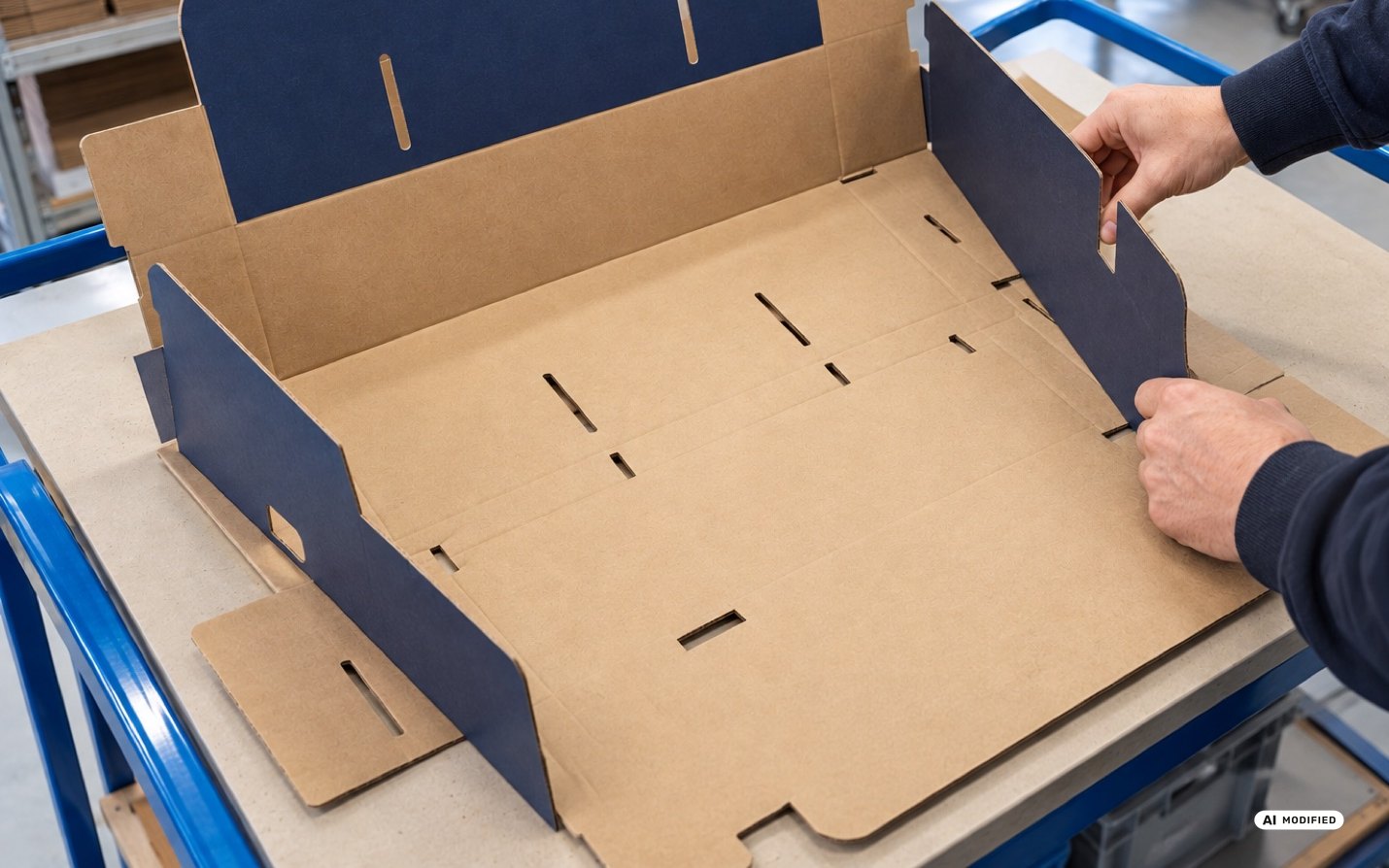
Fit the side walls
Slot the walls in and secure them.
-
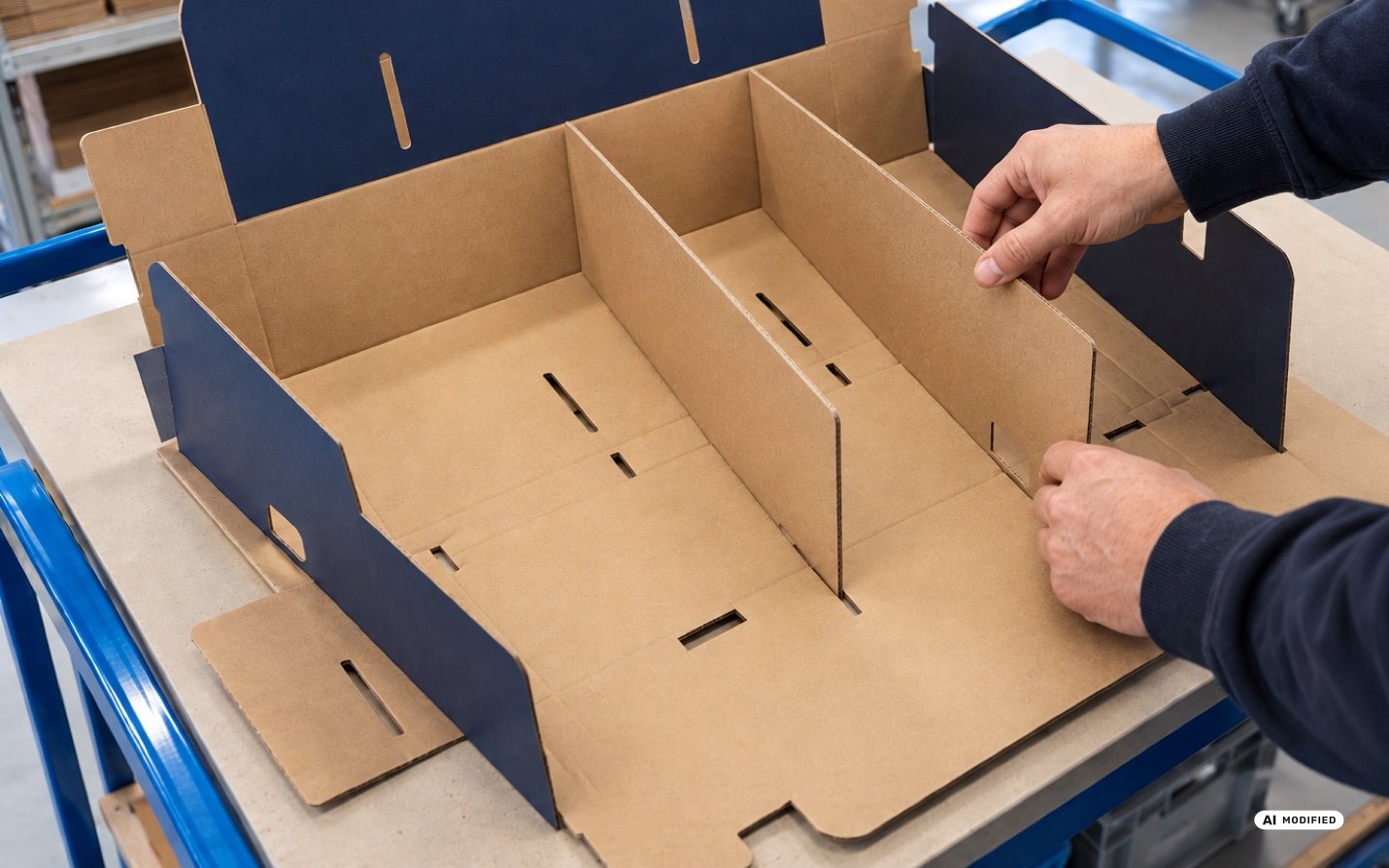
Insert the dividers
Slot the inner structure together.
-
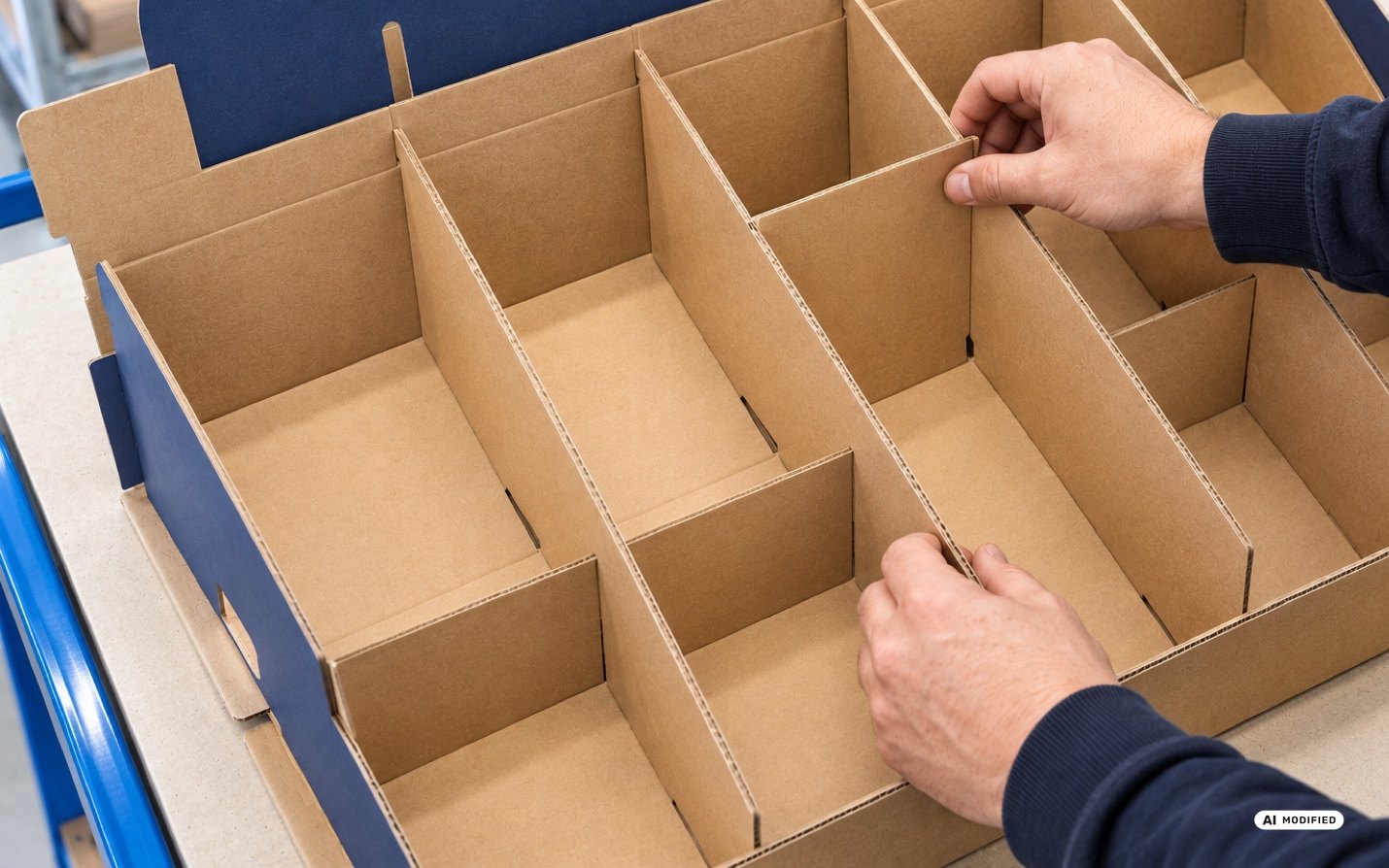
Insert the compartments
Place the compartments in the right order.
-
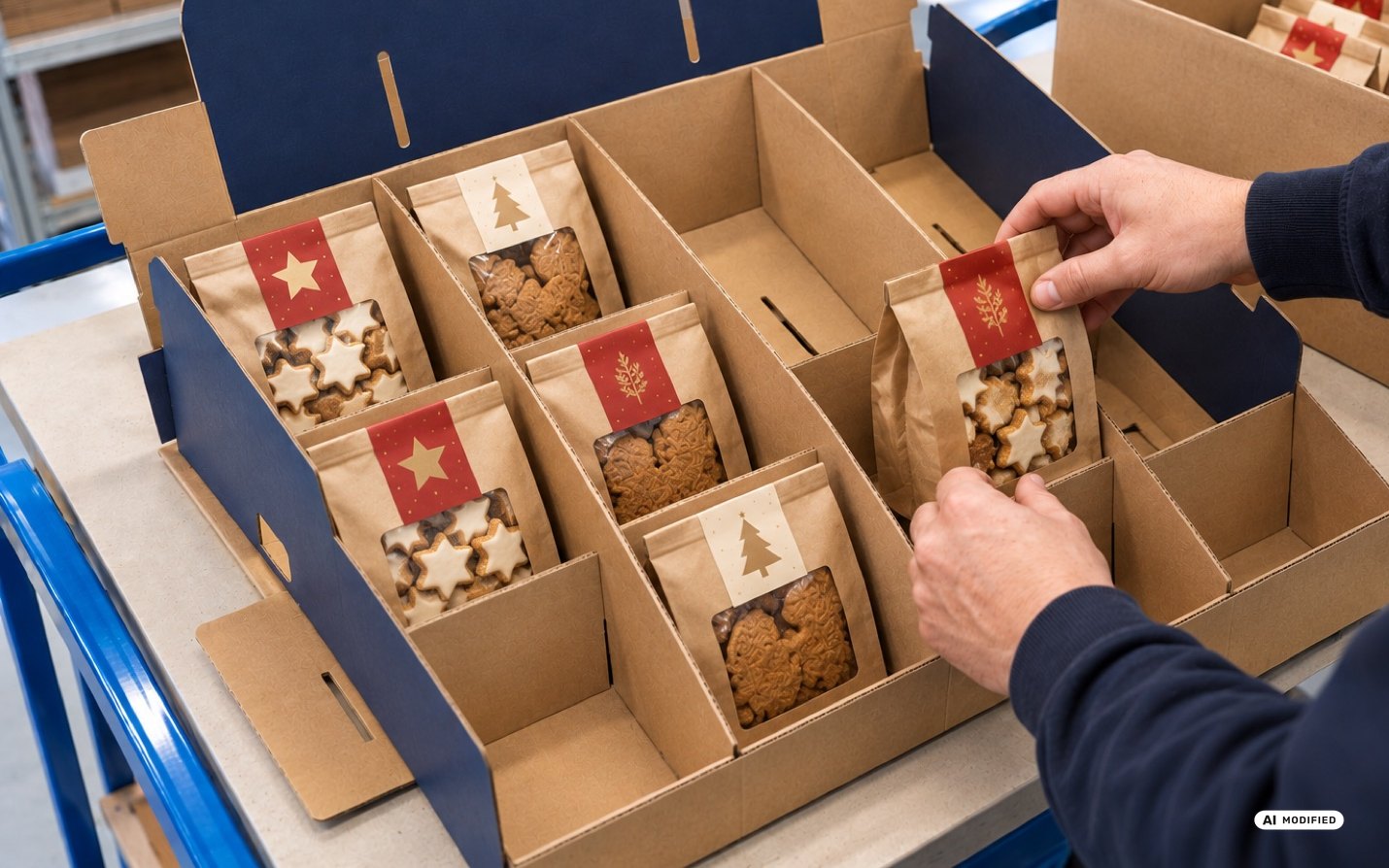
Put in the products
Fill the compartments correctly.
-
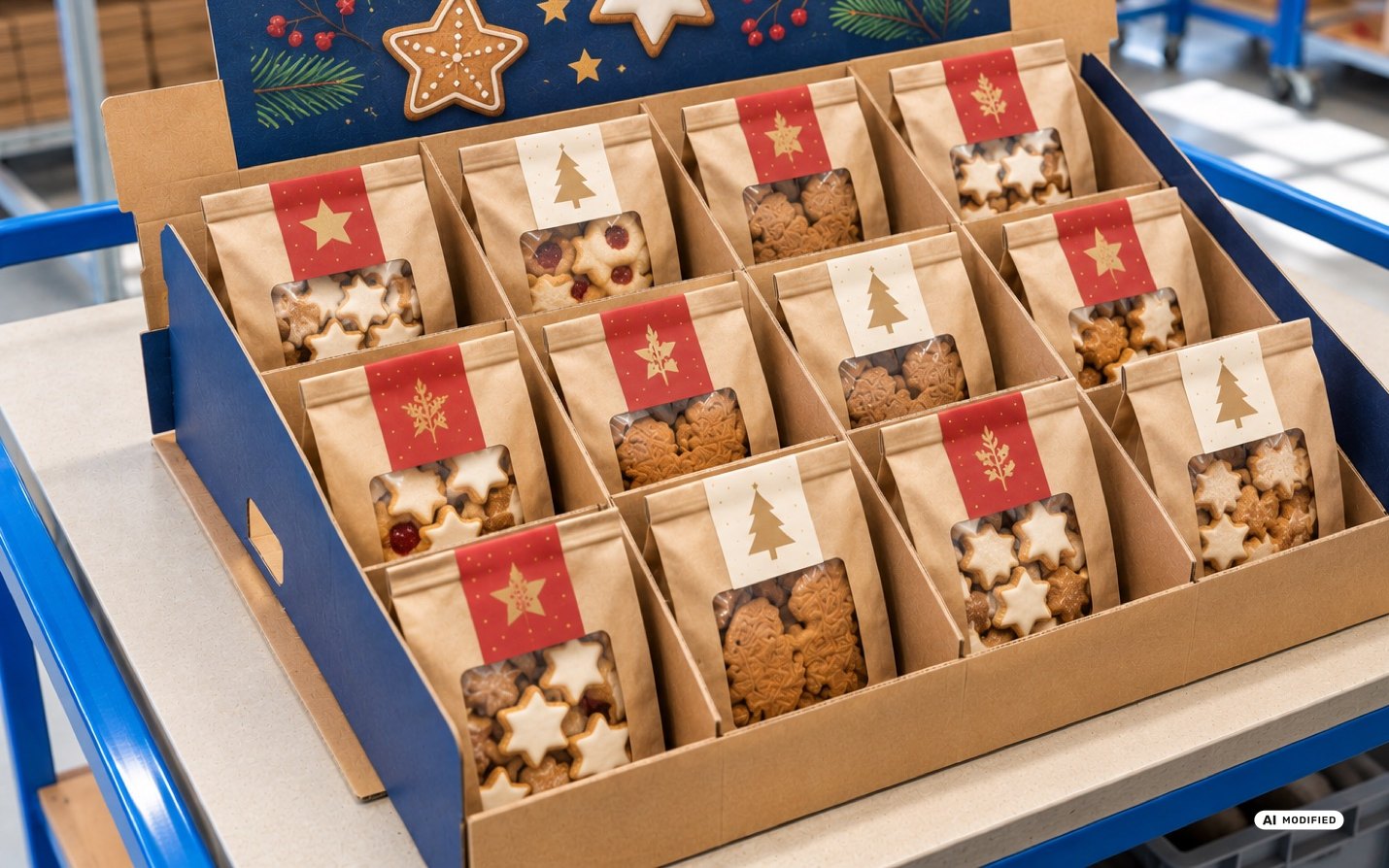
Ready for shipping
Check the display and finish it.
What changes as a result
Standardized processes
Consistent workflows for all display variants.
Faster onboarding
New employees get up to speed on their own.
Greater process reliability
Mistakes are spotted early and avoided.
More independence
Workers work more independently and ask fewer questions.
Better quality control
Visual support ensures consistent quality.
Fewer questions
Clear tasks reduce the need for explanations.
The full story
About the organization

CBW Caritas Betriebs- und Werkstätten GmbH is a Caritas social enterprise with several locations in the Aachen city region. The organization creates work and qualification opportunities for people with disabilities and combines participation in working life with economic performance.
Its areas of activity include assembly, packaging, kitting, logistics and service orders for industry and retail. People with intellectual, psychological, physical or multiple disabilities work in its workshops.
The challenge
- Numerous work steps involving different materials and components
- Mistakes in the sequence led to rework or quality deviations
- New employees regularly had to be onboarded
- Quality control relied mainly on experience and personal guidance
- With more complex display variants, there was a risk of assembly or filling errors
The solution with Alino
With Alino, the entire assembly process was documented digitally. Pictures and videos show every single work step: from preparing the box and slotting the dividers together to the final filling with products.
Results
Thanks to digital worker assistance, the assembly of point-of-sale displays has become far more standardized. Workers work more independently and can follow the work steps with confidence. Mistakes are spotted early, and the quality of the finished displays has improved for the long term.
Conclusion
The digital assistance solution helps CBW map complex assembly and filling processes in a way that is easy to understand and reliable. The combination of pictures, videos and clear work instructions raises quality and fosters independent work for the long term.
Would you like to support your processes digitally too?
Find out how Alino can remove barriers in your everyday work too.